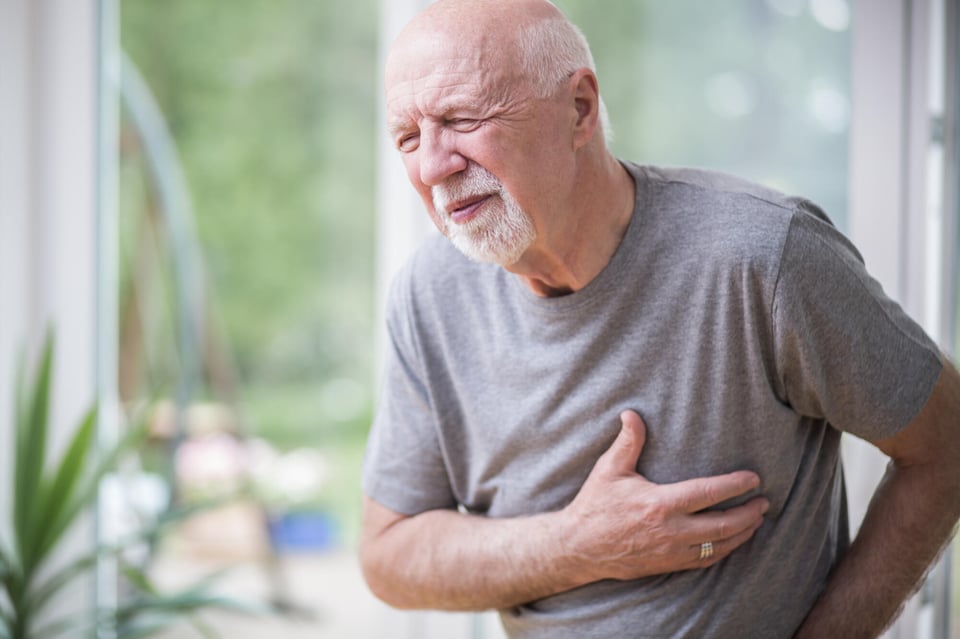
Signs of a silent heart attack can be surprisingly easy to miss, especially in older adults. Unlike the dramatic chest-clutching moments often depicted in movies, silent heart attacks present with subtle symptoms that many seniors dismiss as normal aging discomforts. According to the Harvard Medical School, nearly 45% of heart attacks are silent, and older adults are at particularly high risk for experiencing them.
Understanding the quiet warning signs of a silent heart attack helps families and caregivers recognize when something more serious may be happening. Addington Place of Carroll is the ideal spot to take care of your cardiac health, deep in the heart of west-central Iowa, where rolling farmland is the backdrop to strong, neighborly communities like Carroll. This same attentiveness that defines Carroll can be invaluable when it comes to noticing the subtle heart warning signs in our older loved ones.
What Are the Signs of a Silent Heart Attack?
The challenge with unrecognized cardiac issues is that symptoms often masquerade as everyday complaints. Older adults experiencing a silent heart attack might notice one or more of the following:
- Unusual fatigue: Unlike normal tiredness after a busy day, this is a feeling of profound exhaustion that doesn't improve with rest.
- Shortness of breath: If routine activities like walking to the mailbox or climbing a few stairs leave you short of breath, it could signal cardiac trouble.
- Jaw, neck, or arm pain: You may have no chest pain, but discomfort in these areas could indicate a heart problem.
- Excessive sweating: If it's disproportionate to the activity or temperature, or accompanied by nausea or lightheadedness, it could indicate cardiac distress.
The American Heart Association highlights that it is often only later during a health screening that a silent heart attack is diagnosed.
The Indigestion Imposter
Many seniors dismiss subtle heart warning signs as heartburn or stomach upset. That uncomfortable feeling in the upper abdomen or chest might actually be cardiac-related. When indigestion appears alongside other symptoms like unusual sweating, arm discomfort, or unexplained anxiety, it's worth taking seriously. Translation - talk to the assisted living staff and let them arrange immediate medical attention.
Changes in Mental Status
Confusion, disorientation, or sudden changes in alertness can accompany silent heart attacks in older adults. When the heart struggles to pump efficiently, the brain may not receive adequate oxygen. Family members, other residents, and caregivers might notice you seem foggy or are having trouble following the conversation.
How Long Can Silent Heart Attacks Last?
According to Healthline, silent heart attacks may only last for a few minutes or could go on much longer. The duration varies based on the extent of blockage and how quickly blood flow is restored. Some older adults experience symptoms that come and go over several hours, making recognition even more challenging.
Identifying Heart Symptoms in Aging Adults
The intermittent nature of symptoms leads many seniors to wait and see if they improve rather than seeking immediate evaluation. Unfortunately, this delay allows more heart tissue damage to occur.
Protection in Assisted Living
At Addington Place of Carroll, we do not provide medical services. However, we take caregiver education in Carroll, IA, seriously. So, if you have any health concerns, immediately talk to our care team, who can connect you with medical help.
How Can I Check if My Heart Is Healthy?
Older adults benefit from routine cardiovascular monitoring through their healthcare providers. An electrocardiogram can detect signs of previous heart attacks, including silent ones that occurred without recognition. Blood tests measuring cardiac enzymes and other markers provide additional insight into heart function.
At Home Monitoring
Blood pressure monitoring remains one of the most accessible ways to track cardiovascular health. High blood pressure forces the heart to work harder and increases senior health risks substantially. Some seniors choose to do this at home using a blood pressure monitor and logging the results to share with their doctor.
Lifestyle Factors That Support Heart Health
Physical activity appropriate to individual ability levels supports cardiovascular function. Even gentle movement like walking or chair exercises helps maintain heart strength. A diet rich in vegetables, fruits, whole grains, and lean proteins, like the Mediterranean diet pattern, has particularly strong research backing for cardiovascular protection in older adults.
At Addington Place of Carroll, our residents are in the driver's seat when it comes to food and activity choices. They can select their own healthy meal option in our on-site dining room, and can join any of the exercise classes that form part of our ever-changing activity calendar.
Frequently Asked Questions
What Should I Do if I Suspect Someone Has Had a Silent Heart Attack?
If you notice any of the symptoms discussed above in yourself or someone else, seek prompt evaluation by a healthcare provider. Even if symptoms have passed, see a doctor as soon as possible, so they can check whether cardiac damage has occurred. Early detection helps healthcare providers implement strategies to prevent future cardiac events and manage existing heart damage more effectively.
Are Women More Likely to Experience Silent Heart Attacks Than Men?
Women are significantly more likely to have silent heart attacks and to experience atypical symptoms when cardiac events occur, Harvard Medical School reports. This can include fatigue, shortness of breath, or upper back discomfort. This difference in symptom presentation has historically led to underdiagnosis and delayed treatment.
Should Older Adults With No Symptoms Still Worry About Heart Health?
Prevention and monitoring matter regardless of current symptoms. Many cardiovascular risk factors, like high blood pressure and high cholesterol, cause no noticeable discomfort but steadily damage the heart over time.
Regular check-ups, healthy lifestyle habits, and social engagement all contribute to cardiovascular wellbeing. The absence of symptoms doesn't guarantee the absence of risk, which is why proactive health management remains important.
Reducing Health Risks at Addington Place of Carroll
Creating a lifestyle that naturally supports cardiovascular health happens through consistent healthy habits, social engagement, appropriate physical activity, and environments where small changes get noticed quickly. Life at Addington Place of Carroll could make it easier to spot the signs of a silent heart attack, as your regular routine provides a baseline for how you feel.
Schedule a tour today to see how we help our residents live an active life.